
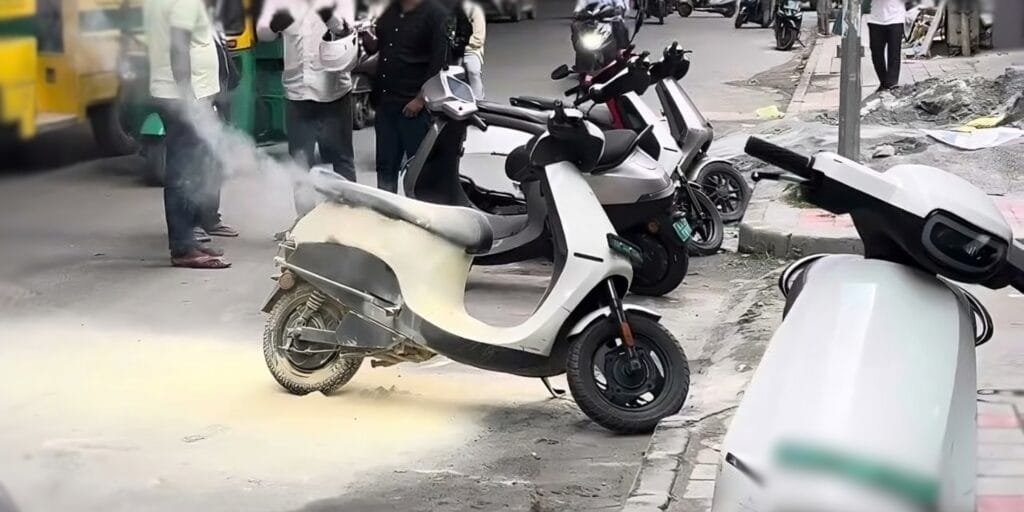
Recently, with the growth in e-friendly advantages, electric vehicles have seen an increasing rate. The biggest issues with these vehicles, however, have been electric car fires. Electric scooters and other battery-run automobiles have generated new sections in transportation, but even in their widely used forms, they cause questions due to electric vehicle fires. This review gives a general idea of how electric vehicle fires work and some safety procedures when using electric vehicles.
What Initiates EV Fires?
- Overheating of the Battery Lithium-ion batteries of EEs, most especially electric scooters, are thermally sensitive. This has been to mean that a high ambient temperature or improper charging can cause “thermal runaway.” This might spark a fire or an explosion.
- Short Circuit : EVs do have very complex electrical systems, hence a possibility of short circuits brought about by water ingress, damaged wiring, or improper insulation leads to sparks whereby it burns the vehicle.
- Bad Charging Habits: Overcharging or the use of non suitable chargers which will overload the battery and increase the terminal temperature leading to severe failure.
- Physical Damage: Impacts easily destroy EVs. When an accident occurs, the battery is particularly vulnerable to damage, which can short out internal components and cause a fire to start.
- Manufacturing Defects:Faulty parts or a BMS that was misengineered lead to the potential for a fire due to substandard quality control.
- Battery Management Systems (BMS):A Poor BMS System will play a crucial role in mis management in the working of the system which will lead to the abnormal conditions.
- Thermal Management: Poor thermal management can easily cause overheating during operation, inducing a thermal run-away and possible fire hazard.
How to Prevent EV Fires
Though the risk of fire in electric vehicles (EVs) is relatively high, users can take safety precautions to minimize this risk. Key actions include:- Proper circuit protection solution: Circuit protection devices like fuses are very efficient in reducing severe faults; hence, the chances of fires are lessened.
- Advanced Measurement and Sensing Solutions: Advanced measurement and sensing tools that are versatile allow for high-precision monitoring and control of BMS and battery packs, in accordance with IEEE 2686-2024 – Recommended Practice for Battery Management Systems in Energy Storage Applications (Mobility Version).
- Preventive Maintenance with Inspection Tools: The regular use of inspection tools such as thermal cameras will help detect problems beforehand and allow for preventive maintenance.